
How to Become a Product Designer (From Someone Who Just Did It)
How to Become a Product Designer (From Someone Who Just Did It)
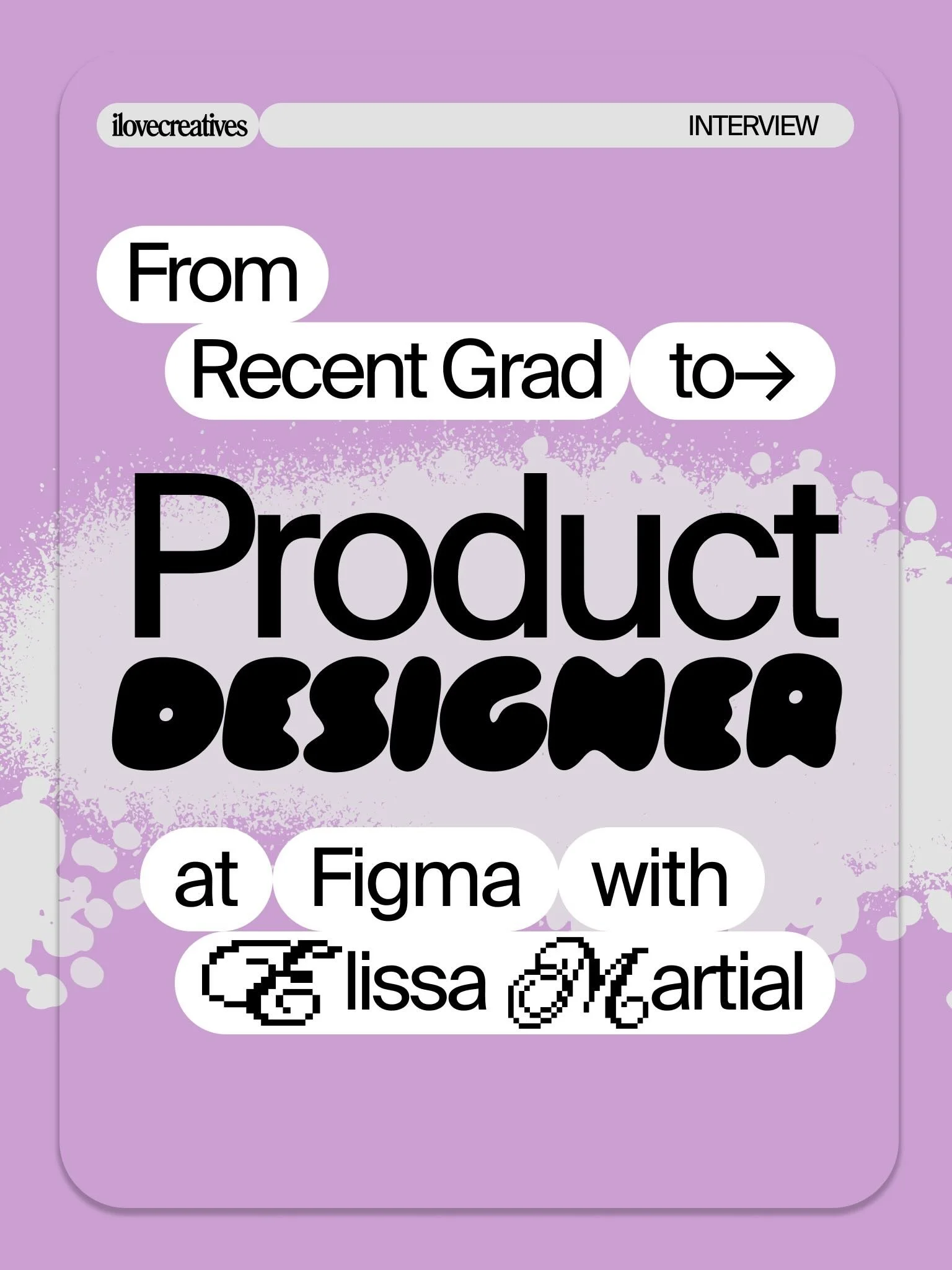
From Illustrator to Product Designer: An interview with Elissa Martial

Elissa Martial spent six years as a freelance illustrator before pivoting to product design. She landed internships at Garmin, Apple, and Figma -- and a full-time job offer -- before finishing her degree. Here's what she actually learned.
If you've been wondering whether you can break into product design without a traditional tech background, meet Elissa Martial.
She spent six years building a freelance illustration business, with ahem… 48,000 followers, 2M+ views a year, 40+ clients! Then something shifted. She taught herself Figma, built own case studies for her portfolio, and landed internships at Garmin, Apple, and Figma back to back. She starts full-time on FigJam in August 2026, still a student.
We sat down with her to ask how she figured this out in a job climate that just feels really impossible. What did she actually do?
So... what does a product designer actually do?
"It's still a newer field that doesn't have a very concrete definition right now," Elissa says. "Broadly, you take some sort of problem — something undefined, maybe just an idea — and you turn that into an interface or experience that solves it."
The job looks different depending on where you work. At a big tech company, you might just be handed a flow and told to design it. At a smaller team, you're also figuring out whether the problem is even worth solving in the first place.
Do you need a degree to become a product designer?
Short answer: no. Longer answer: also no, but community can really give you a leg up.
"The university system is ridiculously slow. We're only now starting to see majors specifically for UI/UX design. And if they do exist, they're usually outdated."
"Product design is still a very self-taught field. Most of the people I know pivoted from something else -- software engineering, graphic design -- and taught themselves. And even once you're in the industry, you're still learning on the job."
Her own path started with joining clubs at USC, finding older students who were already doing product design, and basically trying to catch up to them. She wasn't handed a curriculum. She found people who were better than her and learned from them directly.
"Surrounding yourself with even a handful of people who can give you feedback on your work is so important. It's really hard to learn alone."
Can an illustrator become a product designer?
Elissa had been an illustrator since before college. Six years of freelancing, building an audience, growing a real business around her art. From the outside it looked like exactly the dream.
But she describes the reality differently: "It's so romanticized. When you're really living it, it's very isolating. You get burnt out so fast when it's just you."
She wasn't feeling it anymore -- not because she stopped loving illustration (she still draws constantly on her own time) -- but because she discovered something unexpected about herself.
"I'm fundamentally more of an analytical person and less of a vibes-based creative type."
The illustration work was solitary. Product design was collaborative, problem-driven, and interactive in a way that making a single image just isn't.
"Art is such an individual craft. You just make the work that you want to make. It does resonate with people and that's what I loved about it. But it's not interactive at the end of the day. Typically it's just an image."
So she went looking for something that was still creative but had more texture to it. More people. More back and forth. That intersection of art, technology, and business that she couldn't quite name but knew she was looking for.



What's the difference between graphic design and product design?
The skills transfer more than you'd think -- especially if you've been doing client work or designing for an audience online. You already understand feedback, iteration, and making things for someone other than yourself.
But the mindset is different. And so is how you use the tools.
Learning Figma as a product designer is not the same as learning Figma as a graphic designer. You're not just learning the software. You're learning how to design the way a developer actually builds -- how to structure files so a whole team can work in them, how to use components and variables so your designs are scalable, how to think about feasibility not just aesthetics. That's a different way of thinking inside the same tool.
Product design isn't about your vision. It's about the user's problem. At a big tech company, the product already exists. You're improving it based on feedback. They're not asking you to redo the branding.
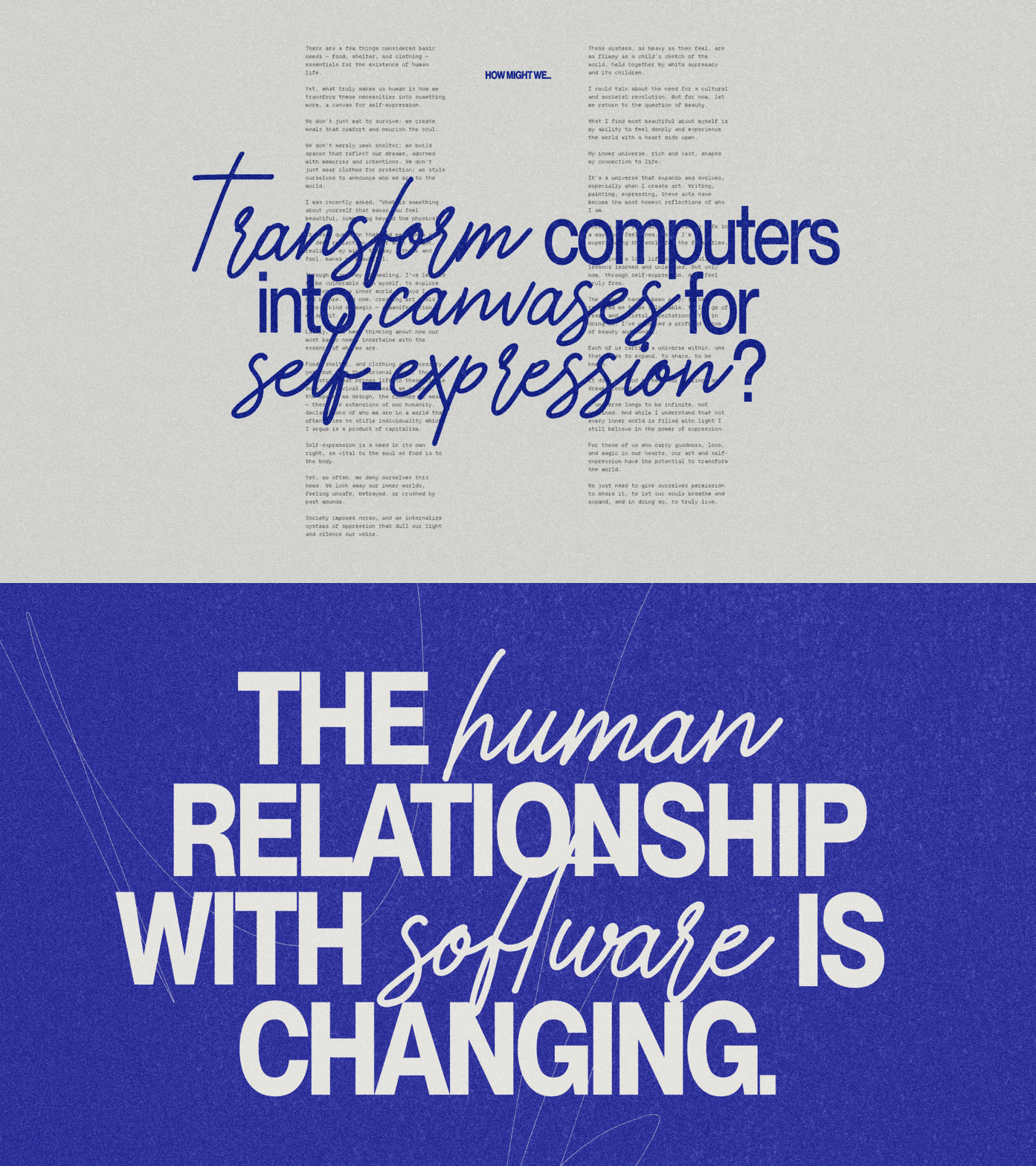
❝"It's more about your ability to communicate with others, understand a problem, and see things from both a business lens and a user's point of view.❞
How do you build a product design portfolio with no experience?
Her first portfolio had three projects. One was through a USC program that partnered students with a real company called Whatnot, which does livestream shopping. It wasn't a traditional internship -- it was more like a structured project -- but a real company with real constraints was attached to it, so she put it on her resume with their name next to it.
That detail matters more than it sounds. Working on a real company's actual problems, even informally, is more valuable than inventing a fictional app from scratch. You'll eventually be applying to real companies with real products and real limitations. Practicing that way from the start puts you ahead.
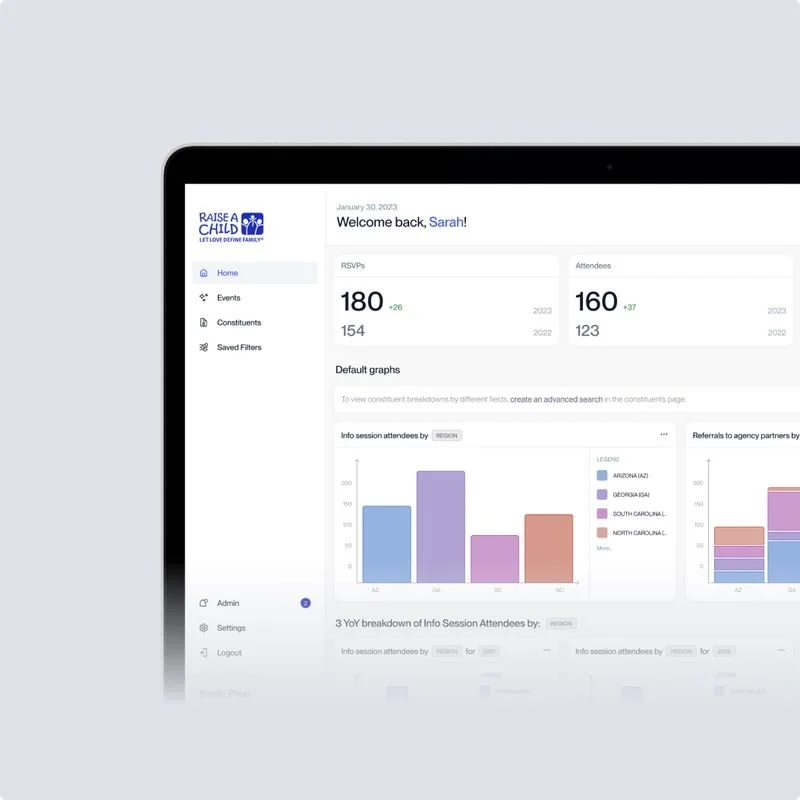
The other two projects were club work designing apps for nonprofits. Both were real organizations with real problems.
None of it was a formal internship. But she presented it like it was.
"You just have to make the most of what you have and present it as if it's very real."
Her first portfolio wasn't even deployed. It wasn't on a public domain -- she can't even remember if it was a Webflow site or a Figma presentation. That's how unglamorous it was. But it got her a first interview at Garmin, which she landed by cold applying on LinkedIn without a cover letter.
After that internship, she rebuilt everything.
One of her hiring managers said it directly: she looks at portfolios. That's pretty much it. A lot of managers don't even open your resume. They want to see if your work is good.
One thing Elissa wishes more people did before they start applying: get feedback on your portfolio first. It's a lot of work to send out applications. If you can get even one honest critique from someone who knows what hiring managers are looking for, it could be the difference between getting ignored and getting the interview -- and honestly, between a low starting offer and a higher one.
"By the time you land an internship, your portfolio and resume probably already shows that you understand the design process to an extent."
How did you land back to back internships at Apple and Figma?
After Garmin, Elissa spent the fall applying to everything. She got her Apple and Figma offers in the same week.
Then she did something most people wouldn't think to do. She called Apple and asked if she could push her start date to spring instead of summer so she could do both internships back to back.
They said yes.
So she spent the spring driving to Apple in Culver City every day from nine to five, then coming home to take graduate-level Zoom classes at night. Then went straight into her Figma internship that summer.
"I wouldn't have been able to do that if the Apple team hadn't been in Culver City. Most Apple roles are in Cupertino and I wasn't willing to go to the Bay because I still needed to take classes."
She got lucky on that part. But she asked.
How do you actually start learning product design?
Elissa tried the Google UX Design course on Coursera first. She was not impressed.
"I did it and yeah, I made one case study, but it just took so long and I was just... no. Don't recommend doing that course specifically."
Part of the problem is that everyone who takes it ends up with the same projects. That's not great for a portfolio that's supposed to show how you think.
YouTube can get you started on terminology and basic frameworks, which is a legitimate first step. But what actually moved the needle for her was finding people who were already doing product design and learning from them directly -- clubs, communities, friends who were further along. If you can find a product designer who teaches or mentors, that hands-on feedback loop is worth a lot more than a generic certification.
What's the fastest path to becoming a product designer?
Here's what she'd actually do:
1. Get familiar with the terminology and frameworks. Find someone who's already doing it and learn from them. A focused course from someone in the field beats a certification where you end up with the same portfolio as everyone else.
2. Learn Figma the way a product designer uses it -- not just as a visual tool. Auto layout, components, variables. Design like a developer builds.
3. Build 2-3 case studies around real problems. Working on an actual company's product -- even as spec work -- beats inventing a fake app. Make it look and feel real.
4. Get feedback on your portfolio before you start applying. Find people who will actually look at your work and tell you the truth. Online communities, clubs, anyone further along than you.
5. Apply, rebuild, repeat.
The first job is the hardest. But if your spec work shows real product thinking around real problems, you are already ahead of the people submitting work that doesn't show any of that.
"The first job at a reputable company is what gives you resume momentum. I hate that it's the way it is, but it is."
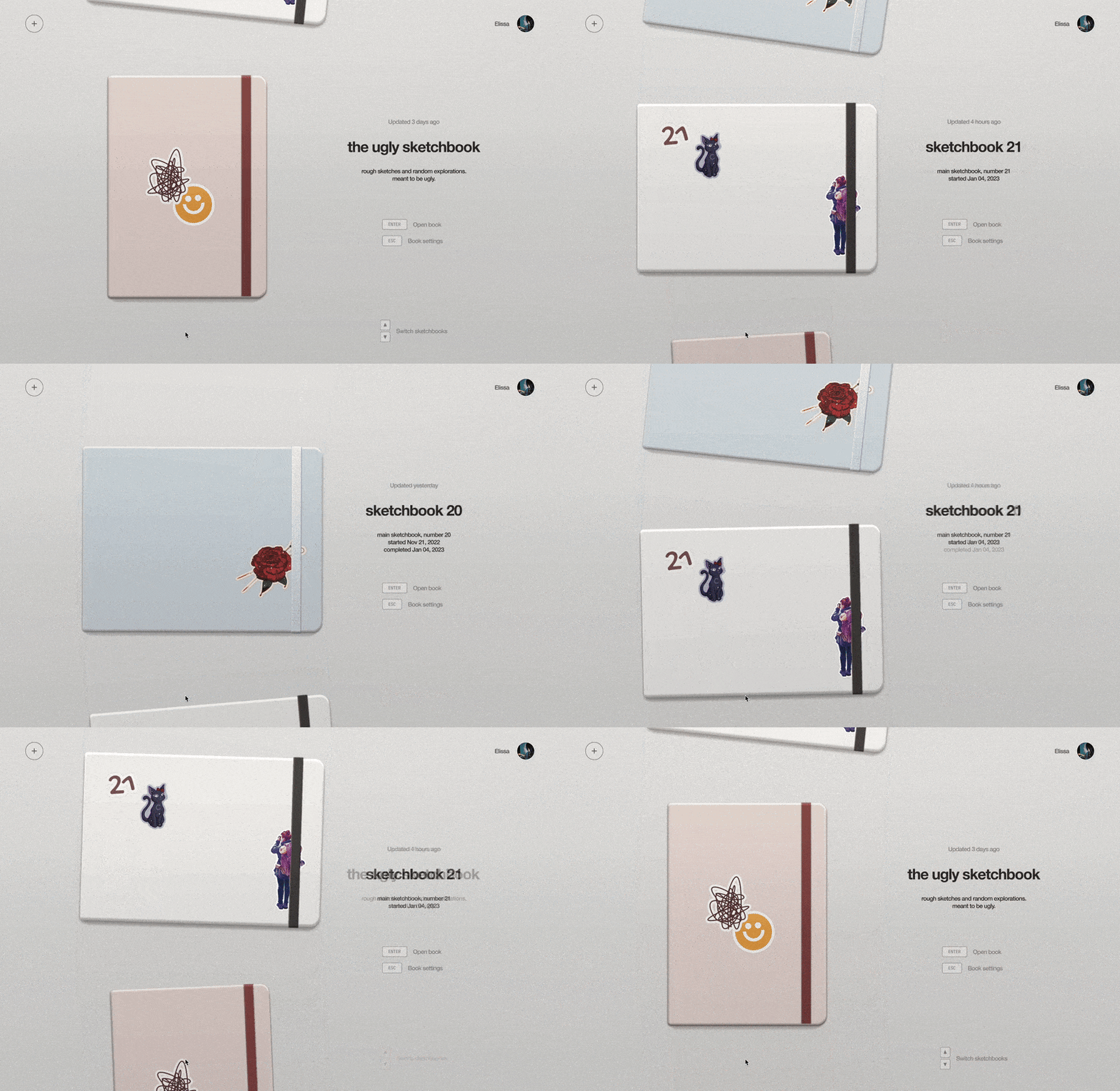
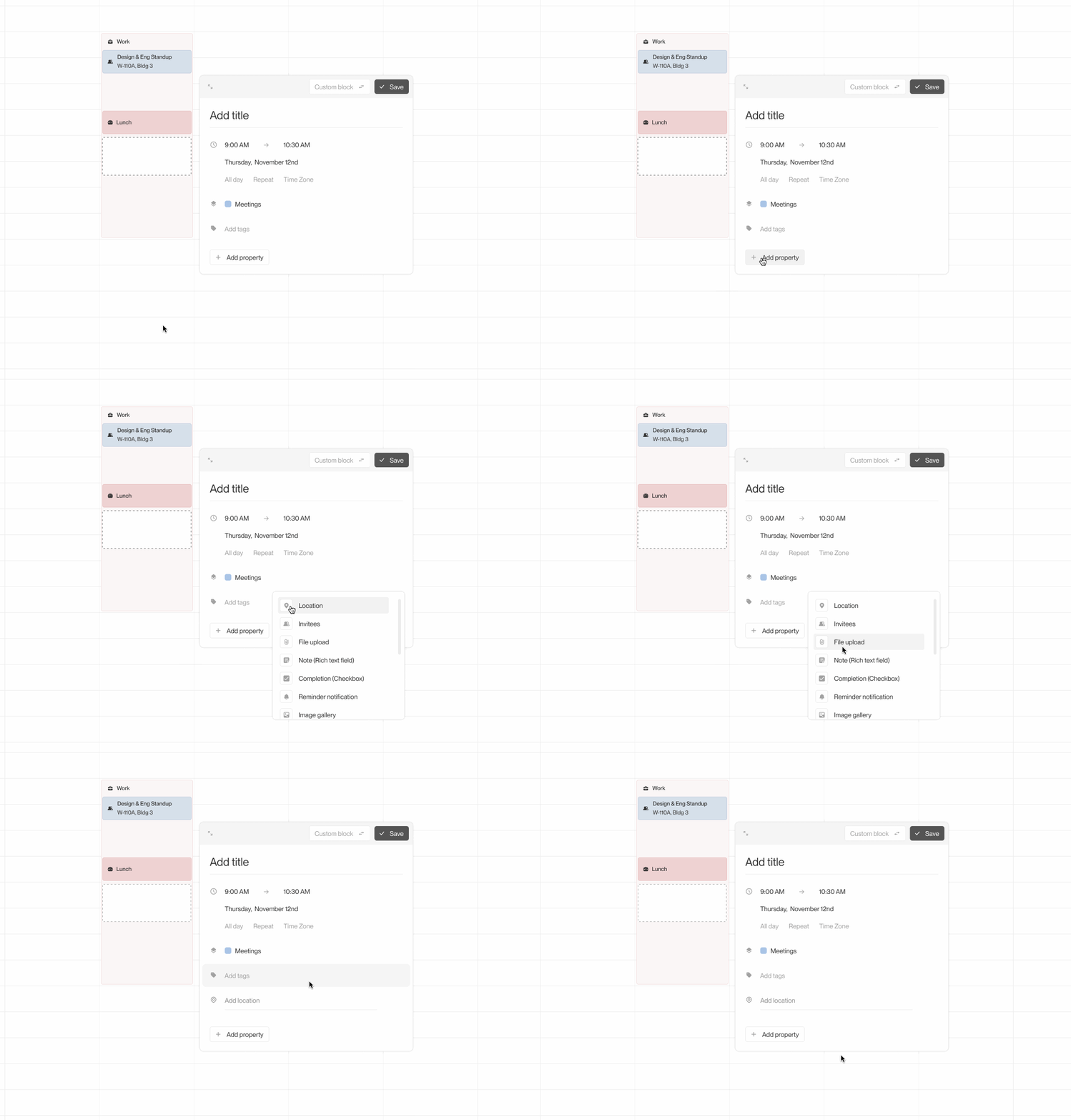
Just for fun: what Figma features do most designers sleep on?
We had to ask. She's literally about to work there full-time on FigJam -- not Figma, which is its own thing. FigJam is the collaborative whiteboard tool where teams think together before anything gets designed. It's where the messy, early-stage work happens. Elissa is going all in on that layer of the process.
But back to Figma -- here's what she says people miss:
Auto layout first. "Learn it as soon as possible. It saves your life and it mirrors how things are actually developed. You're designing the way a developer builds."
Variables second. "Almost nobody uses them properly because people are lazy. But they save you so much time later when you want to change how something looks."
And the AI tools inside Figma, which she uses constantly -- generating textures, removing backgrounds, isolating objects, and vectorizing images without needing an Adobe subscription.
Next Steps?
No product design degree. No roadmap. Just people who were further along, real projects, and a willingness to rebuild when the work wasn't good enough yet.
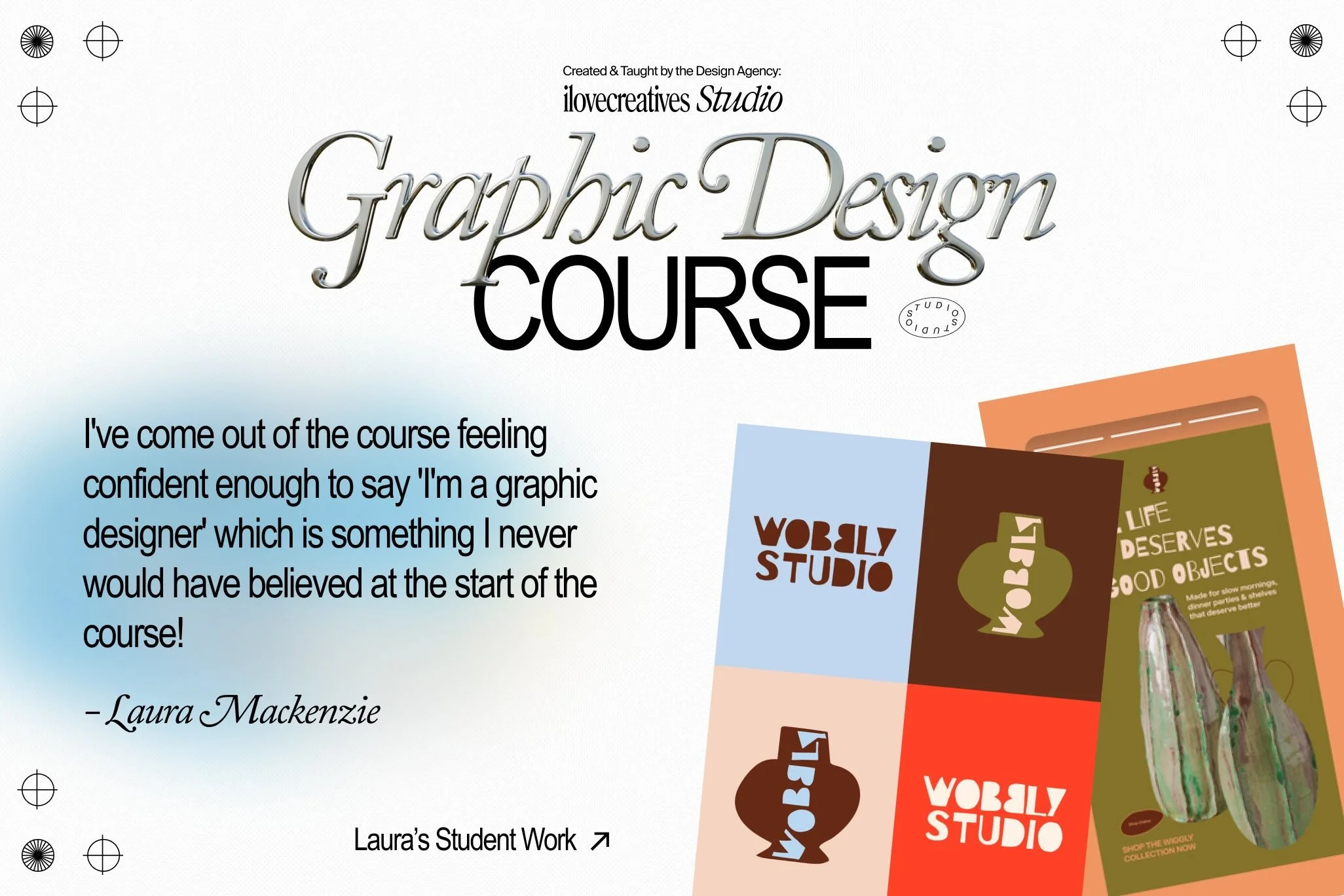
If you're a graphic designer curious about where to start, the foundation Elissa keeps describing -- tools, process, real feedback on real work -- is exactly what our Graphic Design Course is built around. It won't make you a product designer overnight. But it's the base she's talking about, and it's a real place to begin.
About Elissa
Website: https://www.elissamartial.com/
Twitter/X: https://x.com/elissafied
Instagram (art brand Wavylinesem): https://www.instagram.com/wavylinesem
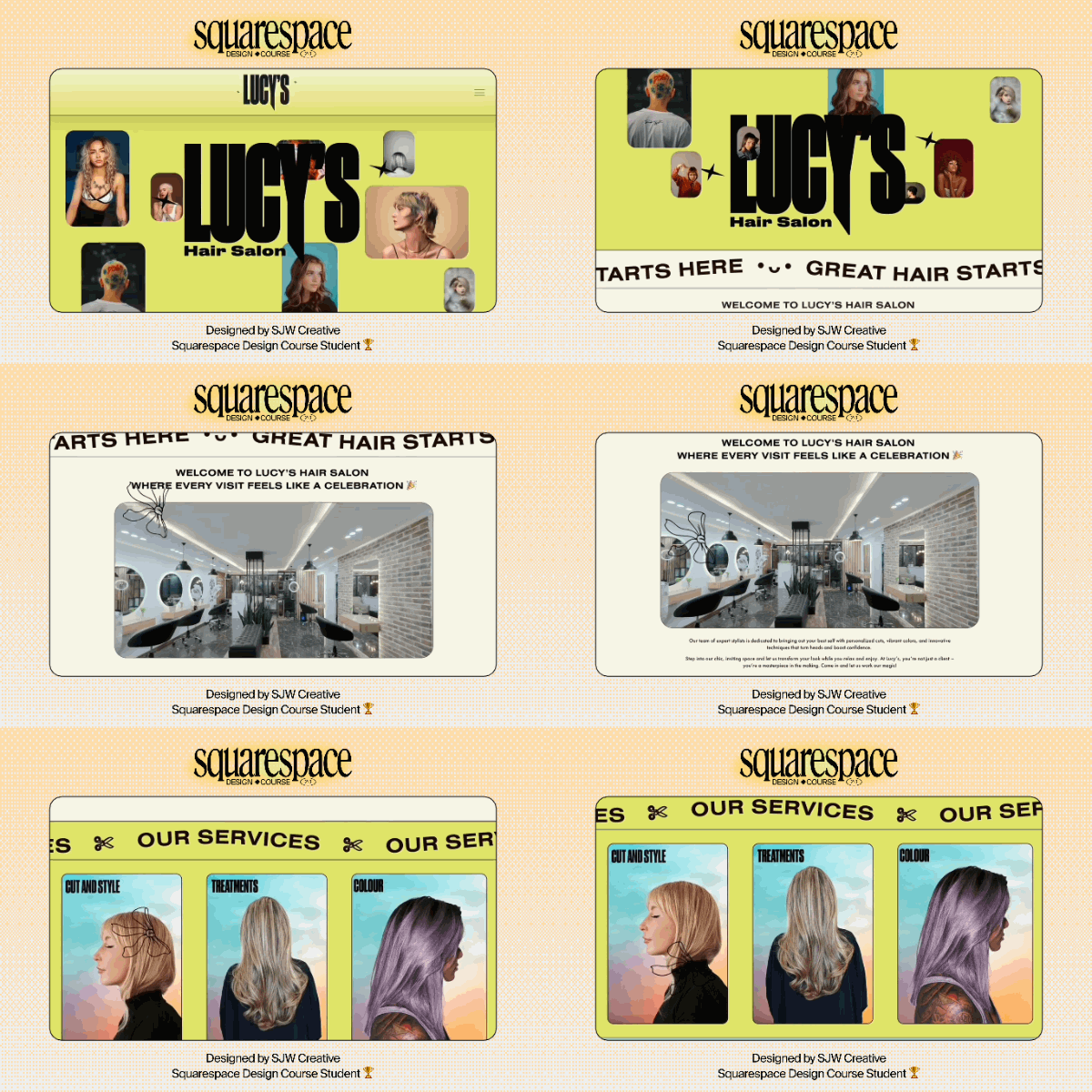


Learn how to navigate the creative process of ideation, video editing, and freelancing. Plus, get 1on1 feedback from Rachel and exclusive access to creative coaching content.
Start the Course Today