How to Build a Portfolio that Feels Like You

How to Build a Portfolio that Feels Like You
A Guide by Readymag x ilovecreatives
A portfolio is not just a set of your skills and former projects: it’s the very first meeting some will get with you. So you’d want it to feel like you, lest you end up doing projects you don’t like with people who don’t feel your style.
That’s why it’s crucial to treat your portfolio as your most important project and build it with intention, the right tools, and your charm. Grab this guide co-written with Readymag, the design tool for creating outstanding websites—yes, your portfolio too. Just 7 steps from reflection to publication, with a bit of wow-examples, design advice, and a hands-on framework, and you’re ready to shine.
① Set a launch timeline
We know portfolio building can feel like a mini battle: pulling yourself together to choose the right projects, designing and redesigning until your eyes go square, juggling deadlines while your personal project keeps slipping into tomorrowland.
To make the whole thing easier, you might want to sketch out a simple timeline to actually finish your portfolio in a sane amount of time. If you don’t have one yet, borrow ours.

② Start with self-reflection
To express yourself, you need to know yourself first, right? Block free time, grab a coffee, and ask yourself what projects excite you, what kind of work you want to do, what is a no-no, who you’d want to collaborate with, and what your ideal clients are. Don’t limit yourself to just words: draw, back up your thoughts with visuals you see here and there, and add names of the real companies and creatives. The more honest your answers, the clearer your direction.
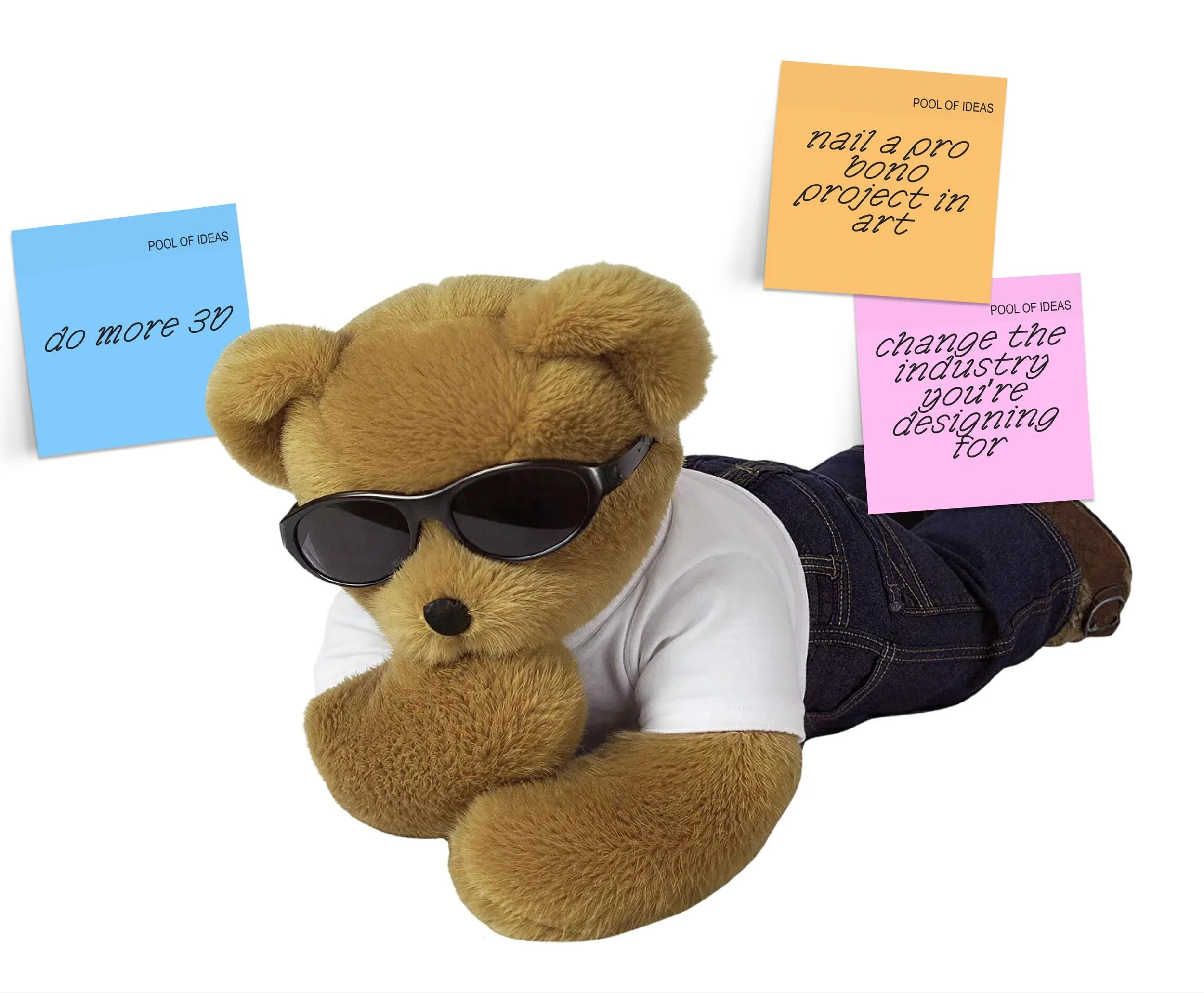
Pool of ideas
Self-Reflection Framework #1
Grab a bunch of sticky notes and write a few words per sticky note for each thing that matters deeply to you right now in your career. Those can be things like “do more 3D,” “nail a pro bono project in art,” or even “change the industry you’re designing for.” Recall as many as you can, unfiltered.
Stick the notes on the wall and sort them by similar ideas, and choose one idea per pool to focus on. Try to see how your portfolio can help reinforce what you love and bring in what you’ll love.
The North Star
Self-Reflection Framework #2
Grab a sheet of paper and write down your three recent jobs or projects. Under each, answer 6 questions →.
As you have all the notes in one place, look for intersections. You can come up with conclusions like “While I was designing for socials, I loved to add motion, but hated doing plain pictures. People liked my typework. The job was fine, but not the domain—I’d better work for a health-related product than a crypto-company”.
Then you’d probably focus more on showcasing work beyond crypto, leaning into typography you excel at and motion you enjoy creating.
You might want to have a mentoring session at that point or talk with a peer who can give you some reflections on what you’ve discovered about yourself.

③ Moodboard your ideal portfolio
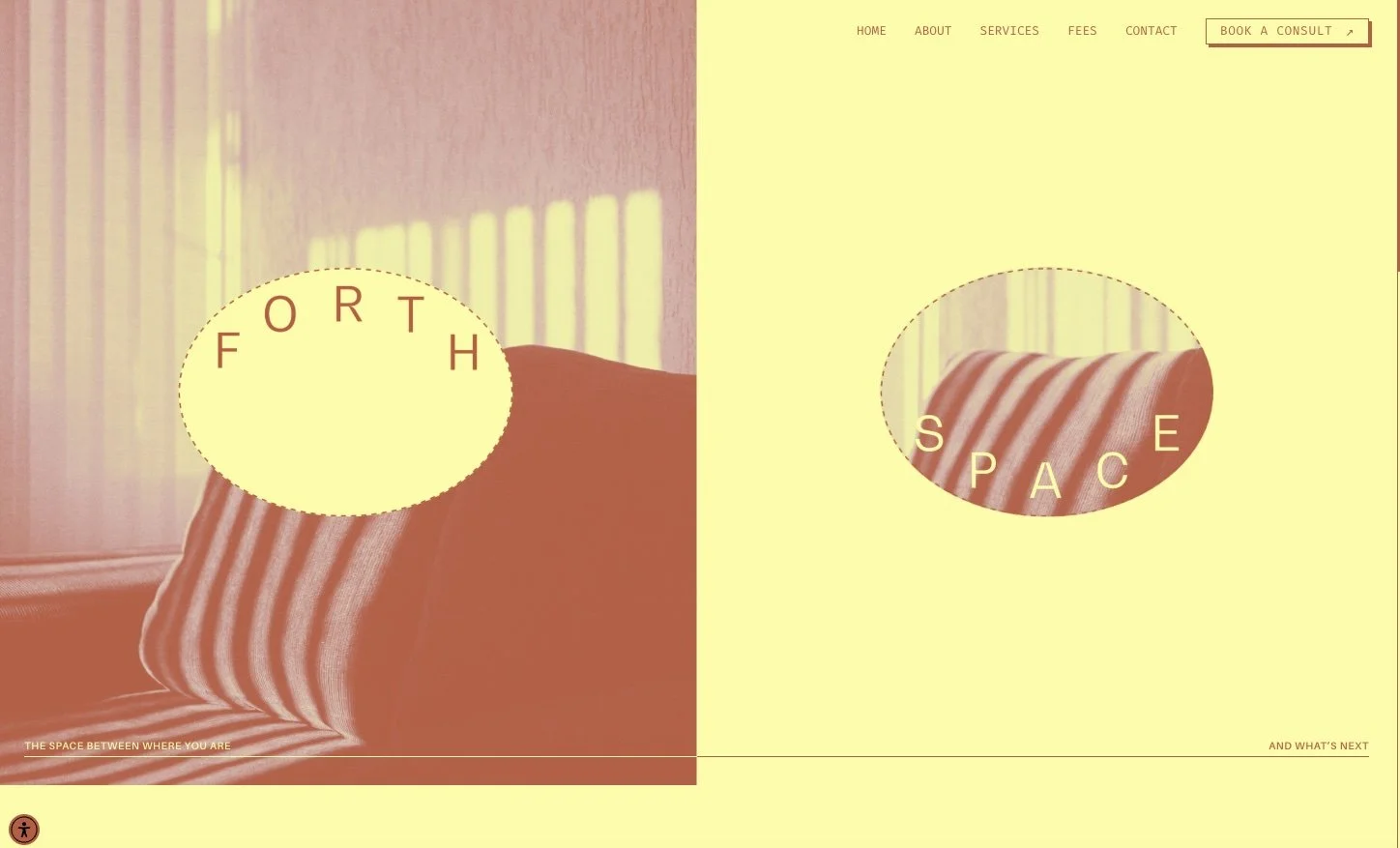
Portfolios made with Readymag
After you’re done with ideation, it’s time to collect your references. Those might be your own sketches, visuals, and motion tricks you saw in other designers’ projects, or just color schemes, layouts, and references you feel like trying. Think of your portfolio as a creative space that reflects your personal style to its essence and instantly gives the vibe of who you are as a creative.
Resources you can use for inspiration are endless, but those are the ones we love:
ilovecreatives’ Internet Gems collection
Resources like It’s Nice that and The Brand Identity, plus socials like Instagram.
For keeping picture references in one place and sorting them across ideas, Are.na, Cosmos, Savee, and Pinterest are among the most convenient.
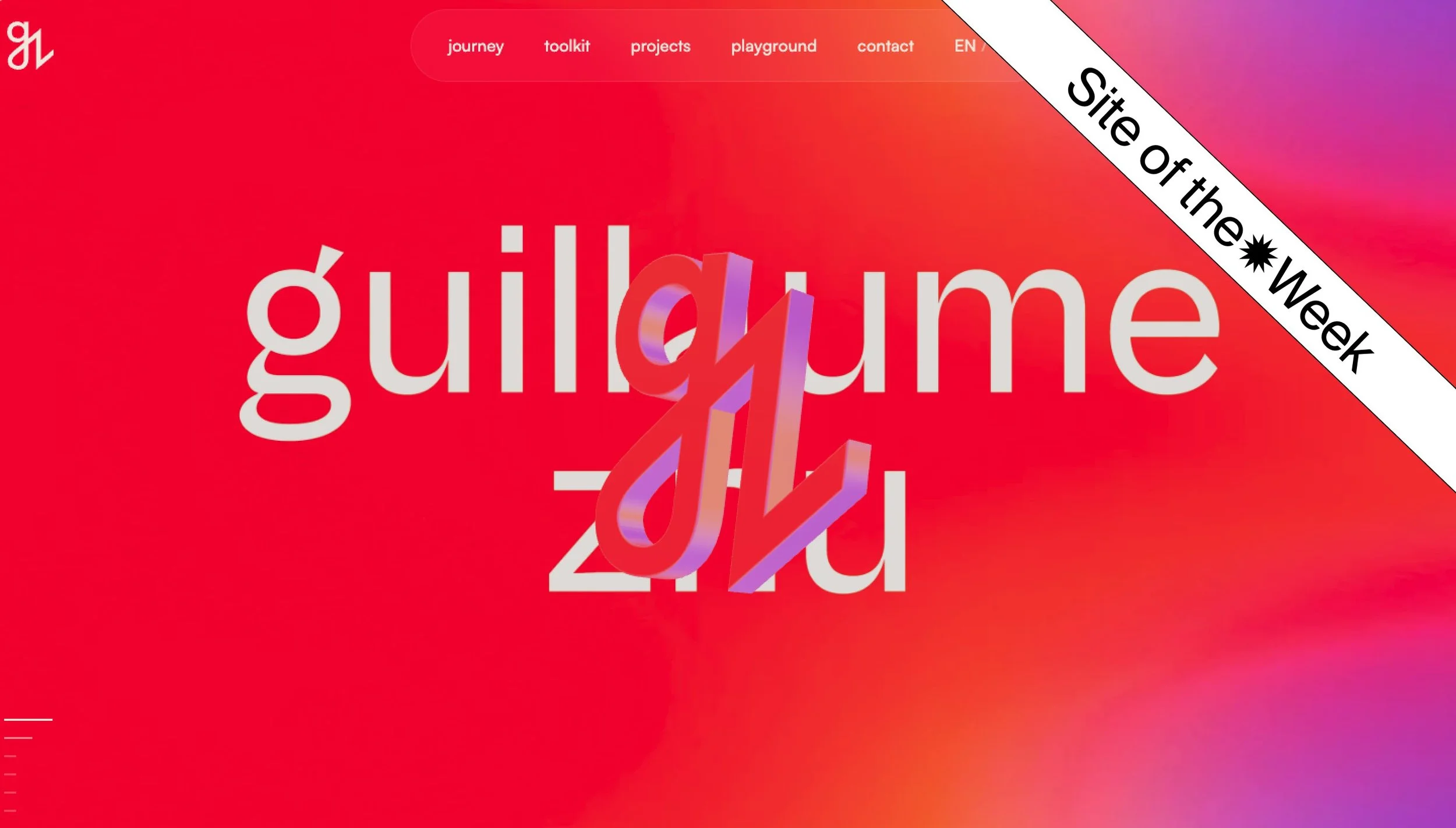
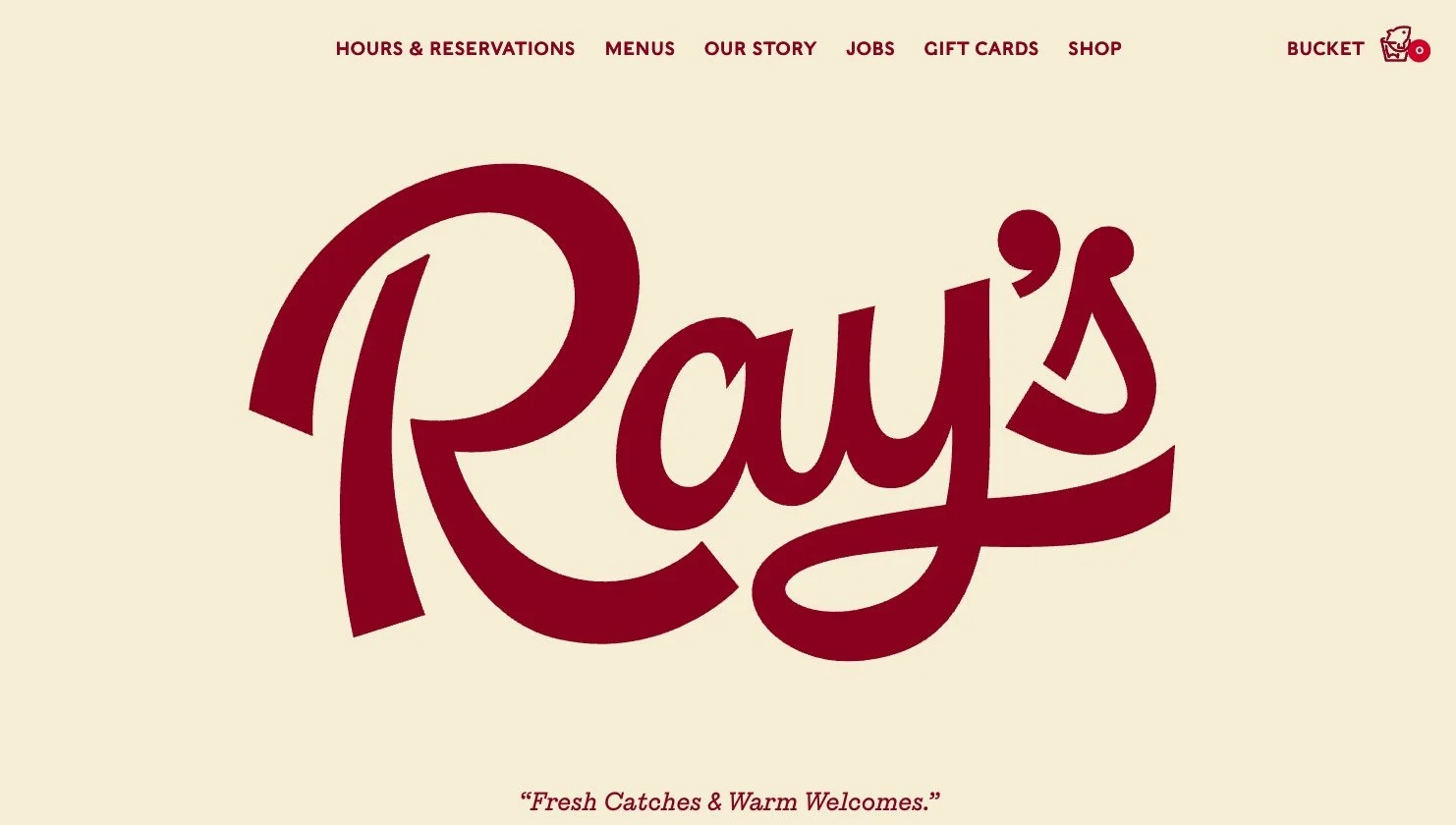
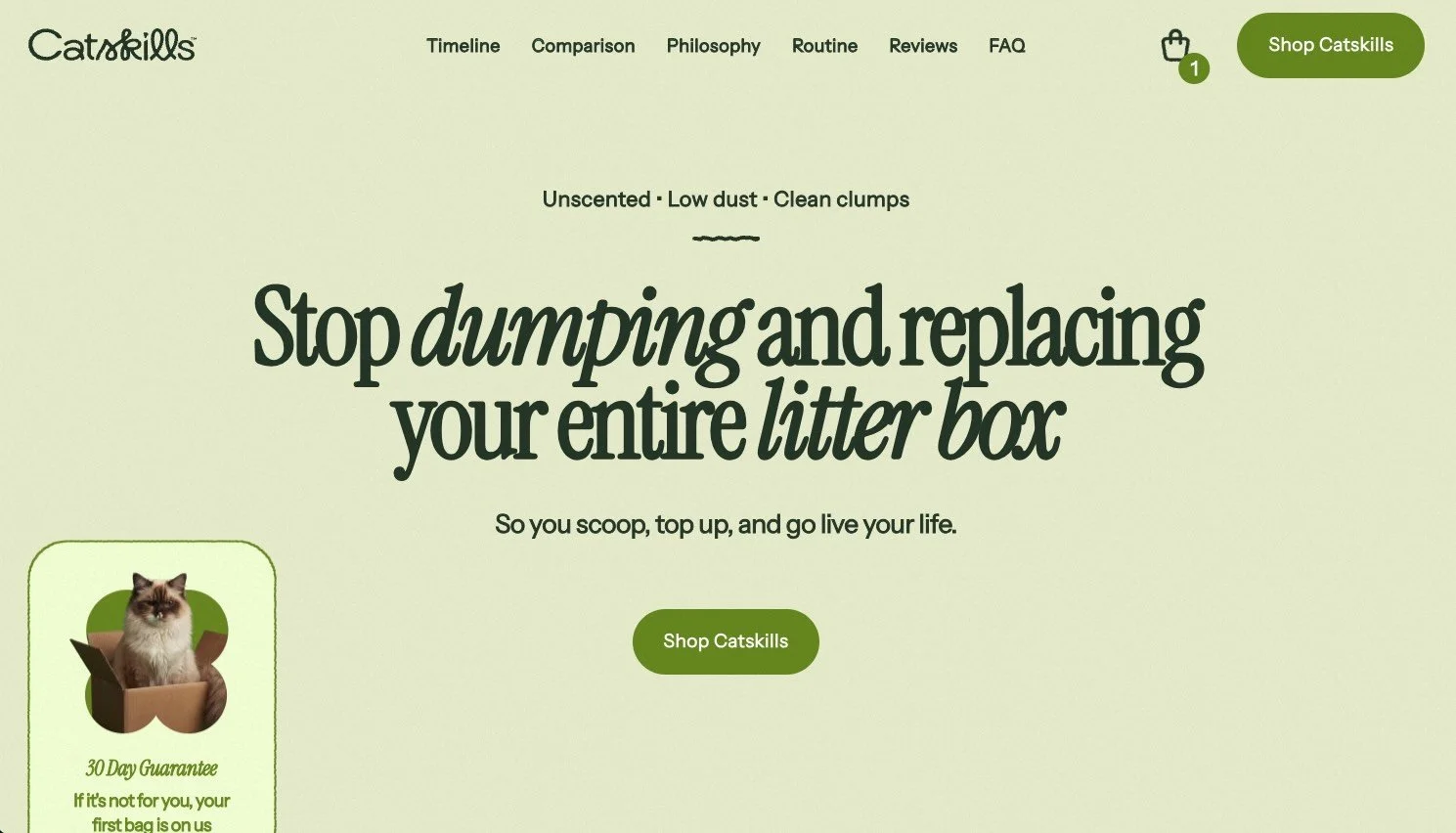
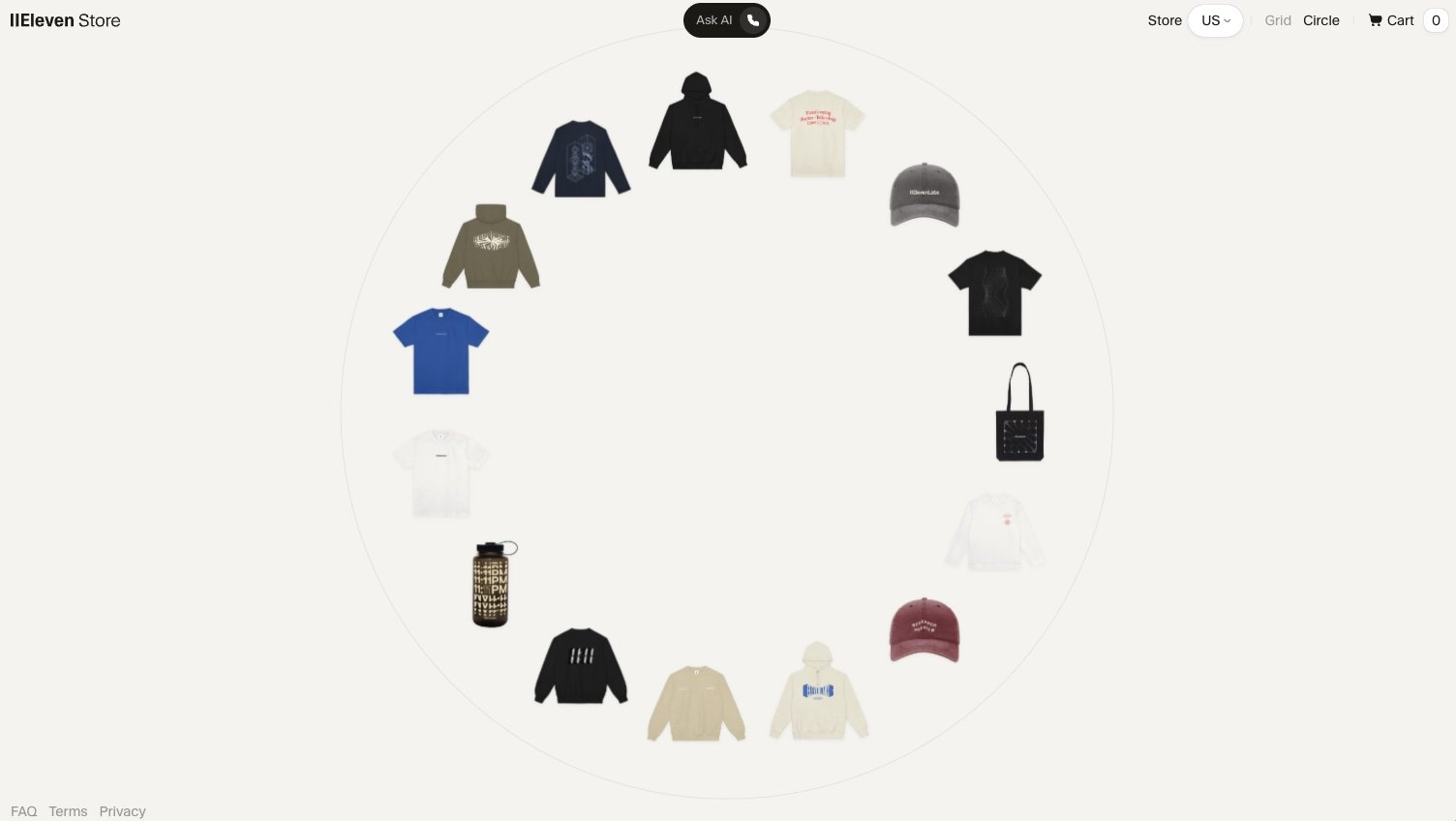
④ Curate for the Future
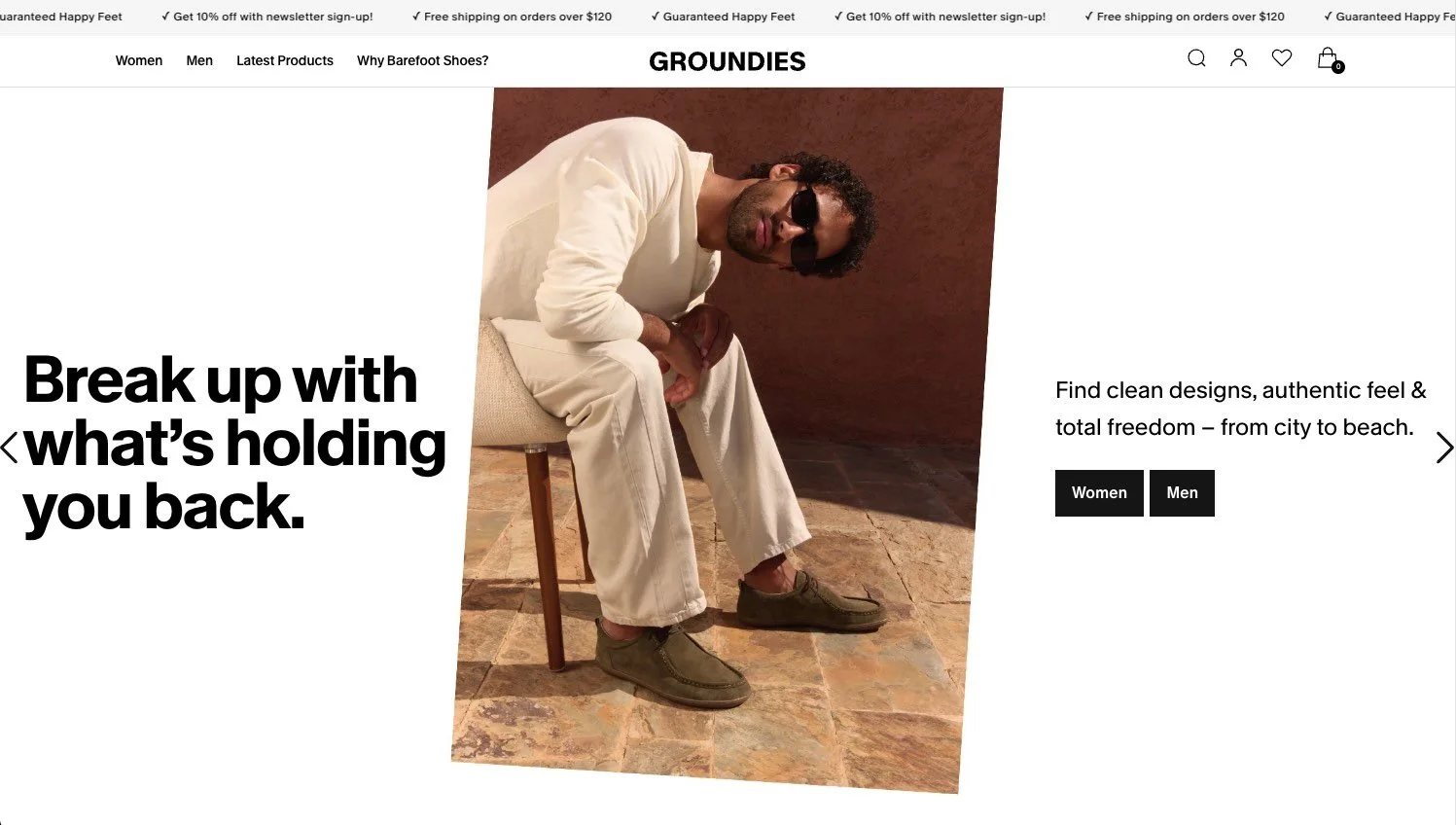
Once you’ve gathered your references and are clear on the vibe and look of your future portfolio, it’s time to select which projects will take center stage. This step deserves a little extra attention, and this simple framework can go a long way.
It’s basically dressing for the job you want—the more you curate your representation, the more collaborators and clients you’d love to work with in the future will come your way. At this stage, selectivity pays off: one strong, relevant project says far more than ten middling ones.
Once you’ve got your lineup, start sketching out the structure of your site and plan the interactions to pull everything together.


⑤ Frame Your Work, Not Yourself
Make your personal style clear and consistent, keeping in mind both the result you want and any limits you might run into. Ideally, you’re the one who sets limits, not the tool you use for portfolio design—it should be flexible enough to move with your creative identity, yet powerful and stable so that everything works as expected.
Video
You can upload high-res videos right to your portfolio and style the player however you like. You can keep full controls, simplify them, or hide them entirely if you want a clean autoplay moment.
Slideshows
Add images, tweak the transitions, adjust the shape, and mix multiple slideshows on the same page, whether you keep things neat in a grid or try something a bit more playful.
Shots
The Shots widget lets you turn videos or image sequences into a series of stills that appear as people scroll or hover. You can customize how it plays back and animate it as well.
Animation
Animate every separate widget as you want, add multiple animation steps, and combine the effects. There’s a lot you can do here without a single line of code.
Draggable
You can make elements of your layout draggable, making the page doubly interactive. This is a lot of fun to play with someone’s portfolio.
⑥ Speak your client’s language
In design portfolios, visuals matter, but words matter too. When you’re writing your copy, think about the tone and structure your future clients will find welcoming and easy to follow. Keep the text easy to grasp and engaging.
Focus on the problems solved and the insights gained, and show how the process contributes to their meaning. Even though a portfolio should feel and look like you, its primary goal is to give people information. However, it doesn’t mean you have to be formal.

⑦ Gather feedback, refine, and let your portfolio live

Hooray, your portfolio is almost done. Take a few days’ break, revise it with fresh eyes, zoom in and out, and hunt for minor flaws. At that point, it won’t hurt to show your work to someone you trust: it can be your peer, your mentor, or even a seasoned designer doing portfolio reviews. Ask them for honest feedback—they might notice things you never considered. Take their feedback as advice, not the ultimate action guide; it’s your portfolio, and you need to feel it as yours.
Revisit your published portfolio regularly as your work and goals evolve. It’s a living matter that changes with your every update, reflecting the current state of your career. And the last piece of advice: better done than perfect. Not everything needs a clear finish line—leave space for work in process.
Want more? If this guide got your gears turning and you’re craving a deeper, more structured way to actually build the portfolio you just envisioned, we’re working on something made exactly for that.
Most people wait until they miraculously “have better work” before making a portfolio, but honestly? You can start with what you already have (or don’t have, we can help you there too!). The real challenge is carving out the time, fighting the self-doubt, and balancing what clients want with who you are.
In the Portfolio Design Course, you will learn how to:
Soul search your goals and creative direction
Wireframe your identity and map your content
Find your visual identity
Turn your projects into scroll-worthy case studies
Build a custom portfolio in Readymag without writing code
Get 1:1 feedback from a client and hiring manager POV
If you’re ready for a portfolio that feels like you and books the kind of work you want, request this course. (the more sign ups we get, the quicker we can build it 😉)